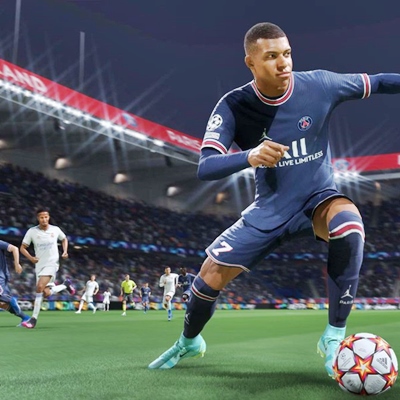
There are many ways to bet on a FIFA game. Punters can choose to bet on the winner of the game, the final score, or even a player's individual actions. The odds vary depending on the type of bet you make, but there are a few things you need to know before betting on FIFA.
First, you need to understand the different types of bets that exist. You can bet on the winner of the game, the final score, or even the individual actions of each player. These bets can be made in a variety of ways, such as with bookmakers, online betting websites, and even the FIFA simulator.
Here is the list of bookmakers who allow you to bet on FIFA:
Betting on FIFA matches is usually done online at sports betting sites. To bet on a FIFA match, you must first register with a sports betting site and create an account. You can then choose the FIFA match you would like to bet on and select the type of bet you would like to make.
Once you have selected your bet, you need to enter your stake and click on the "Place Bet" button. If you win your bet, you will receive your winnings, but if you lose your bet, you will lose your stake.
FIFA, the world's best-known football video game, has been a staple of the genre for over 20 years. The game has evolved with its audience and remains a sure bet year after year, with millions of copies sold worldwide. So what explains the success of FIFA games?
There are several reasons for the success of FIFA games. Firstly, the quality of the game. FIFA is known for its realistic graphics and fluid gameplay, making it a great game to play. In addition, the game offers a multitude of different modes, including career mode, where players can coach and manage their own football team. These two factors allow players to immerse themselves in a realistic and exciting environment, which is part of what makes the game so successful.
Then, FIFA has been able to adapt to its audience by offering frequent updates. Every year, a new version of the game is released, with new features and modes. What's more, the game's editors regularly take into account feedback from players to further improve the gaming experience. These factors allow players to feel involved in the development of the game, which is another reason for FIFA' s success.
Finally, FIFA has a strong online community. Forums and websites dedicated to the game are very active and allow players to share their passion for the game. What's more, the online community allows players to keep abreast of the latest news about the game, which is a significant advantage.
There are a lot of FIFA players in competition, but a few really stand out from the pack. These players are known for their skill on the pitch, their ability to make good decisions and their passion for the game. Some of them have even won international tournaments, making them highly respected FIFA players.
If you want to know who the greatest FIFA players in competition are, check out the list below. You'll find the game's most respected players, as well as those with a bright future in FIFA esports.
He is the first FIFA player to win The World Championships along with a place at the EA Sports FIFA 20Global Series Worlds Playoffs. In addition, he also became the first and only player to win each of the three major FUT Champions Cup tournaments. There are many great FIFA players competing, but MoAuba really stood out this year. With his passion for the game and excellent tactical sense, it's no surprise that this champion is so respected by the other great FIFA players.
What can we say about Megabit? This great player is one of the best lesser-known in the game. He won the FUT Champions Cup last March and has also played in several other major tournaments. Megabit uses a unique tactical approach that perfectly blends aggression and defence. This makes him very hard to beat, which is why he wins championships so often.
Few players can argue that MsDossary is an excellent player, as he is considered one of the best FIFA players in the world. At just 19, this young talent has already won several international titles, including the FUT Champions Cup in 2017 and the eWorld Cup in 2018.
His playing technique is extremely impressive, and he has a very good tactical sense. You won't want to miss him in future international tournaments.
This player with a smashing skill set is one of the best players in the world for the FIFA Ultimate Team Championship Series. He has played in 16 decisive matches that no one else has been able to match, making him a clear champion of the EA Sports FIFA 19 Global Series main event.